Quality
Eight checkpoints, and none of them are optional
Quality in outdoor furniture is not a final inspection. By the time a container is loaded, almost every defect that matters was created weeks earlier — so that is where we look for it.
Inspection flow
Where we check, and what we are looking for
Each stage has a record. If something is rejected, you can see what, when and why.
Incoming material inspection
Billet and alloy certification, supplied hardware and fasteners, fabric and cushion materials, HDPE batch and colour. Bad input cannot be inspected out later.
Extrusion inspection
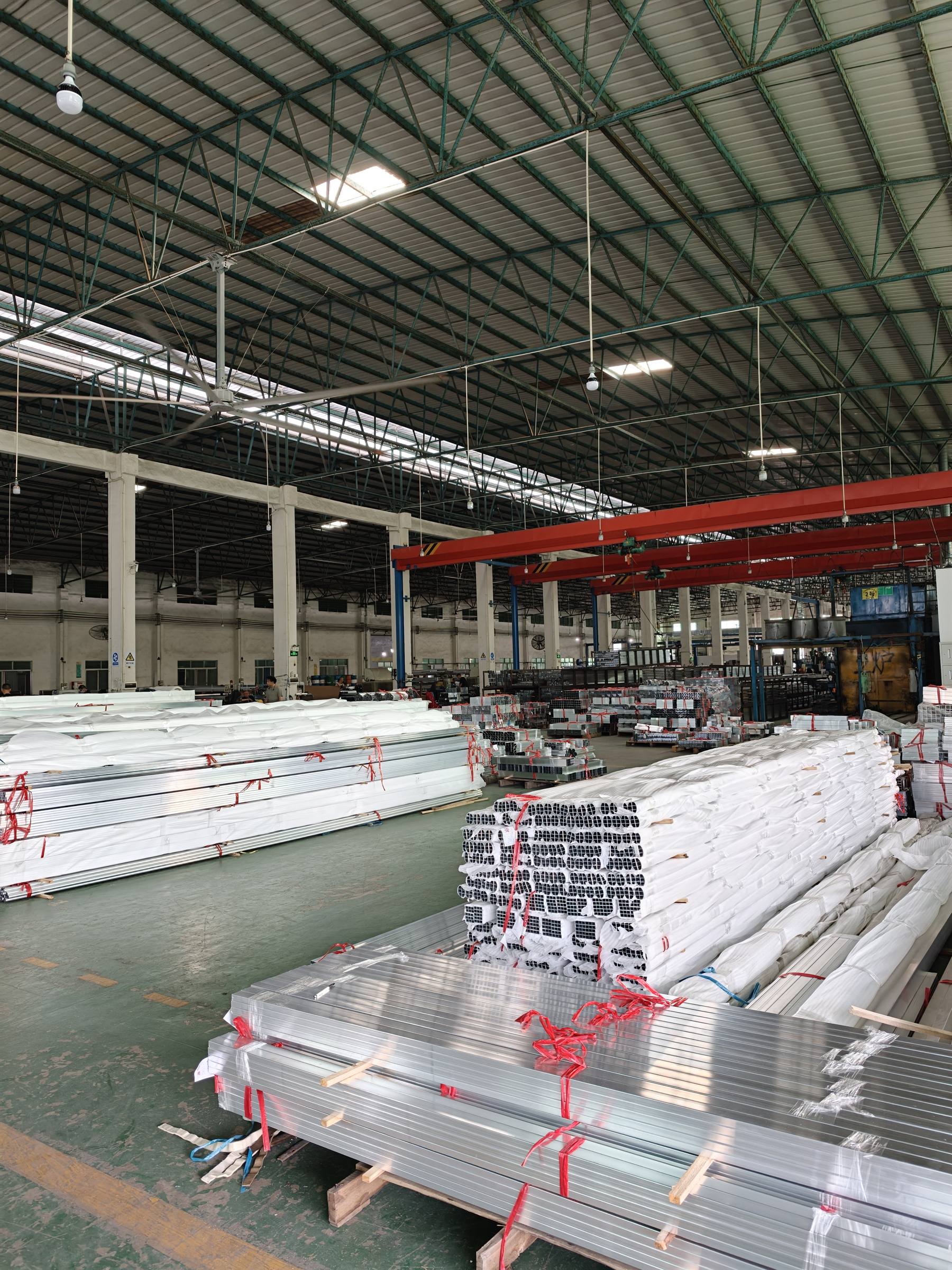
Section profile against the die drawing, wall thickness, straightness, twist and surface condition off the press — checked while the run is live, so a drifting setting is caught in the first hundred metres rather than the last thousand.
Dimensional inspection
Cut lengths, critical dimensions, hole positions and mating features measured against the approved drawing, not against the previous batch.
Welding inspection
Weld appearance, penetration and joint integrity on structural frames, plus fixture checks so frames stay square across the batch.
Surface inspection
Coating thickness, adhesion, colour match against the approved physical standard, gloss level and visual defects under controlled lighting.
Assembly inspection
Fit and function of the assembled unit: hardware torque, moving parts, stability, cushion fit, and a check that what left the line matches the approved sample.
Packaging inspection
Carton construction, foam and corner protection, labelling, barcodes, instruction and hardware packs, and drop-test behaviour where the programme requires it.
Pre-shipment inspection
Final sampled check against the approved specification, with photographic reporting before the container is sealed. Third-party inspection is welcome and routinely accommodated.
Certification & compliance
We only claim what we can evidence
Plenty of factory websites list a wall of certification logos. Ask for the certificate numbers and the expiry dates, and the wall gets a lot shorter.
We would rather start the relationship differently. Tell us which standards, listings and test reports your programme requires — for the product itself, for the gas components in a fire table, for packaging, or for social and factory audits — and we will confirm in writing which of them the relevant plant currently holds, which can be obtained for your programme, and which need to sit with a nominated component supplier.
If we cannot produce a current certificate for something, we will not put its logo on a website.
Outdoor-specific attention
What actually fails outdoors
Indoor furniture standards do not predict what happens to a product after two summers beside a saltwater pool. These are the failure modes we design and inspect against.
Coating breakdown
Pre-treatment quality and coating thickness decide whether the finish chalks, fades or lifts. Both are measured, not assumed.
Galvanic corrosion
Mixing the wrong fastener with aluminum in a coastal environment destroys a joint quietly. Hardware specification is part of the design review.
Weld fatigue
Seating frames flex every time someone sits down. Joint design and weld quality matter more than the material grade on the datasheet.
Fit and squareness
Frames that are out of square do not accept cushions correctly and generate returns that look like a design fault.
Transit damage
Most "manufacturing defects" reported at retail happened in a container. Packaging is engineered and tested, not guessed.
Colour drift
Colour is matched to an approved physical standard for every batch, so season two still matches season one on a showroom floor.
Want to see the inspection records format?
We are happy to share an example report before you place an order, and to work to your own AQL and inspection protocol.